
You breathe about 20,000 times every day. Most of those breaths happen inside your home. Your air purifier is the silent hero keeping that air fresh. But over time, it gets tired. Dust, pet hair, and pollen clog up the system. If you don’t act, your machine will stop working well. Knowing how to clean air purifier filter parts is the best way to save money and stay healthy.
In this guide, you will learn everything about maintaining your device. We will cover the different types of filters. We will look at which ones you can wash and which ones you must replace. Let’s get your air clean again!
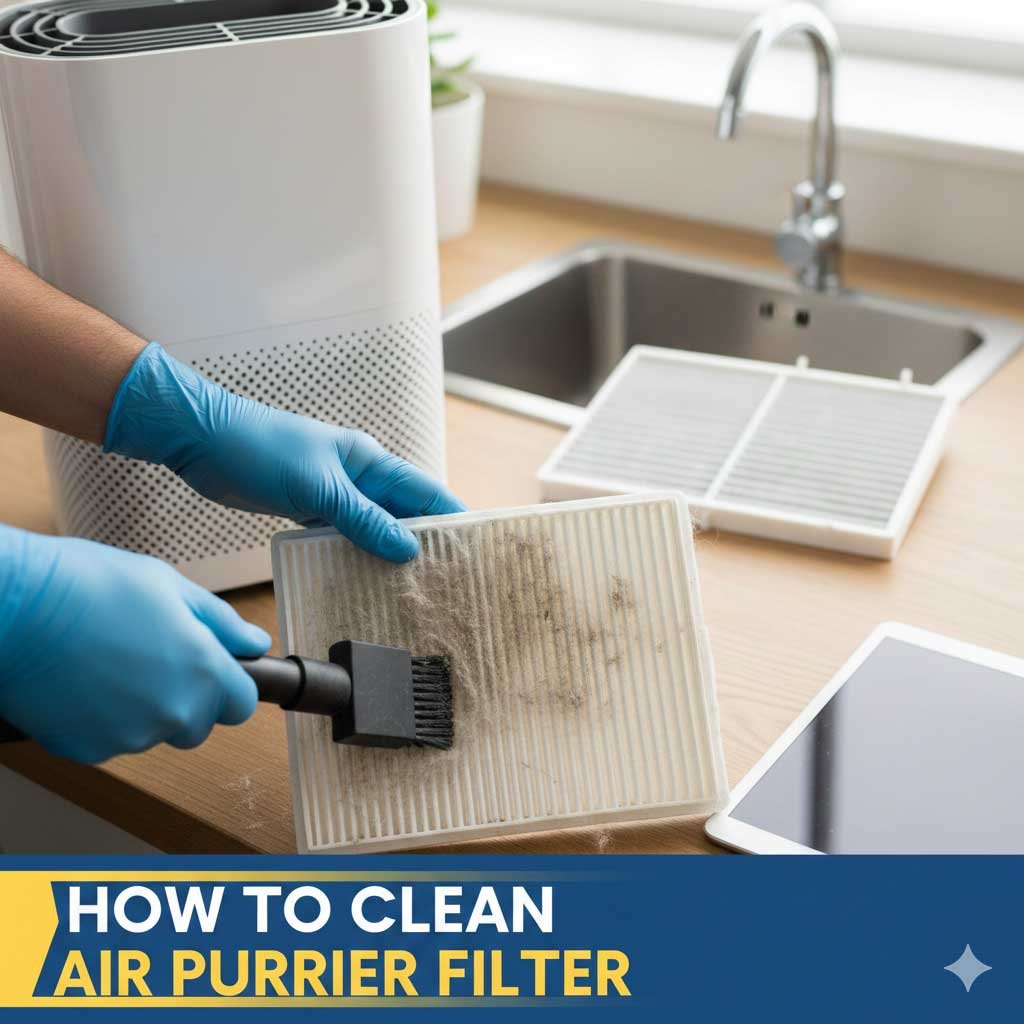
Table of Contents
Why You Must Clean Your Filter Regularly
Think of your air purifier like a vacuum cleaner. If the bag is full, it won’t pick up dirt. Your purifier works the same way. A dirty filter forces the motor to work harder. This uses more electricity. It also wears out the machine faster.
The Benefits of a Clean Filter
- Better Air Quality: It traps more allergens and smoke. Clean filters are also essential for real-world performance—this breakdown explains what results you can realistically expect from an air purifier in everyday home use.
- Lower Power Bills: The motor runs efficiently.
- Longer Lifespan: Your device lasts for years, not months.
- Less Noise: Clogged filters often make the fan hum louder.
Identify Your Filter Type First
Before you grab the water or the vacuum, you must know what you have. Not all filters are the same. If you wash the wrong one, you will ruin it.
| Filter Type | Can You Wash It? | Best Cleaning Method |
| Pre-Filter | Yes (Usually) | Rinsing or Vacuuming |
| HEPA Filter | No (Rarely) | Gentle Vacuuming Only |
| Carbon Filter | No | Light Dusting / Replacement |
| Permanent Filter | Yes | Deep Washing |
1. The Pre-Filter
This is the first line of defense. It catches big things like lint and cat fur. Most of these are made of foam or plastic mesh. These are almost always washable.
2. HEPA Filters
HEPA stands for High-Efficiency Particulate Air. These are made of very fine fibers. Most HEPA filters are not washable. Water breaks the fibers. If the label says “Permanent HEPA,” you can vacuum it. If it doesn’t, you usually have to buy a new one.
3. Carbon Filters
These remove smells and gases. They are porous. Once they are full of odors, they stop working. You cannot wash these because water fills the tiny pores and ruins them.
Step-by-Step: How to Clean Air Purifier Filter
Follow these steps to ensure you do the job safely and effectively.
Step 1: Safety First
Always unplug your device. Never clean an electronic item while it is connected to power. Move the unit to a well-ventilated area. If you have bad allergies, wear a mask. You don’t want to breathe in the dust you are about to remove.
Step 2: Open the Unit
Most purifiers have a front or back panel. Some have a twist-off bottom. Open it gently. Note how the filters sit inside. You might want to take a photo with your phone. This helps you put them back correctly later.
Step 3: Remove the Dust
Take your vacuum cleaner. Use the brush attachment. Gently run it over the surface of the filter. Do not press hard. You want to suck the dust out, not push it in deeper. Do this for both sides of a HEPA filter if it is a “permanent” type.
Step 4: Washing (If Applicable)
If your pre-filter is plastic or foam, take it to the sink. Use cool water. You can use a drop of mild dish soap. Do not use harsh chemicals. Rinse until the water runs clear.
Step 5: The Drying Phase
This is the most important part. Never put a damp filter back in. Moisture leads to mold growth. If you put a wet filter in, your house will smell like dirty socks. Let it air dry for at least 24 hours. Keep it away from direct sunlight to avoid melting plastic parts.
Signs Your Filter Needs Immediate Attention
You shouldn’t always wait for a calendar reminder. Sometimes your purifier tells you it is struggling. Watch for these red flags:
- The “Check Filter” Light: Most modern units have a sensor. Don’t ignore it.
- Weak Airflow: Put your hand over the vent. If you barely feel air, the filter is clogged.
- Strange Odors: If the air smells musty, your filter is likely dirty or moldy.
- Increased Dust: If you see more dust on your tables than usual, the purifier isn’t doing its job.
Maintenance Tips for Different Environments
Your cleaning schedule depends on where you live. Not everyone needs to clean their filter at the same time.
For Pet Owners
If you have dogs or cats, you have hair and dander. You should check your pre-filter every two weeks. Vacuuming the hair off the surface keeps the inner filters clean for longer.
For Smokers or Kitchen Use
Smoke and grease are sticky. They clog carbon filters very fast. If you smoke indoors, you may need to replace your filters twice as often as the manual suggests.
For High-Pollution Areas
Do you live near a busy road or a construction site? Your filters will turn gray or black quickly. Check them monthly. A quick vacuum session once a month can double the life of the filter.
Common Mistakes to Avoid
Many people ruin their expensive machines by trying to be too clean. Avoid these errors:
- Using a Hairdryer: The heat can warp the filter frame or melt the fibers. Always air dry.
- Scrubbing Too Hard: Filters are delicate. A rough brush can create holes. Once there is a hole, the filter is useless.
- Washing Non-Washable HEPA: If the box doesn’t say “washable,” don’t touch it with water. It will turn into a mushy mess.
- Ignoring the Sensors: If you clean the filter, remember to reset the light. Usually, you hold a button for three to five seconds.
When to Stop Cleaning and Start Replacing
Cleaning is great, but it isn’t a permanent fix. Eventually, the fibers in a filter get too clogged for a vacuum to help.
- HEPA Filters: Usually last 6 to 12 months.
- Carbon Filters: Usually last 3 to 6 months.
- Pre-Filters: Can last for years if they are plastic, but foam ones eventually crumble.
If you see the filter material starting to fray or tear, buy a replacement immediately. Using a broken filter is the same as using no filter at all.
FAQ
No. The spinning and heavy water flow will destroy the structure of the filter. Always wash by hand in a sink or basin with gentle movements.
A good rule of thumb is once a month. If you have pets or live in a dusty area, check it every two weeks. Regular checks prevent heavy buildup.
No. Even a damp cloth can damage the fine mesh of a HEPA filter. Use only a vacuum with a soft brush attachment for non-washable types.
This usually happens because the filter was not 100% dry when you put it back. Bacteria and mold love damp filters. Take it out and let it dry completely.
It is not recommended. Compressed air can be too forceful. It might push dust deeper into the fibers or create small tears that you cannot see.
Cleaning helps, but it never restores it to 100%. Over time, microscopic particles stay stuck. Replacing the filter is the only way to get “like new” performance.
It is better to avoid this. Oils can clog the pores of the filter and attract more dust. If you want a scent, use a separate diffuser.
Bottom Line
Keeping your home environment healthy is a top priority for any family. When you know how to clean air purifier filter components, you ensure your air stays crisp and fresh. Regular maintenance saves you money on energy and replacement parts. Take a few minutes today to check your device and enjoy the breath of fresh air you deserve.


Leave a Reply