
Is your home truly as clean as it looks? You might scrub the floors and polish the tables. However, the air you breathe is a different story. Indoor air can actually be more polluted than the air outside. This is where the big question comes in: Do air purifiers really work for your health and home?
If you are tired of sneezing from pet dander or worrying about wildfire smoke, you are not alone. Millions of people are turning to these devices to find relief. In this guide, we will break down the science, the myths, and the facts. This will help you decide if an air purifier is right for your needs.
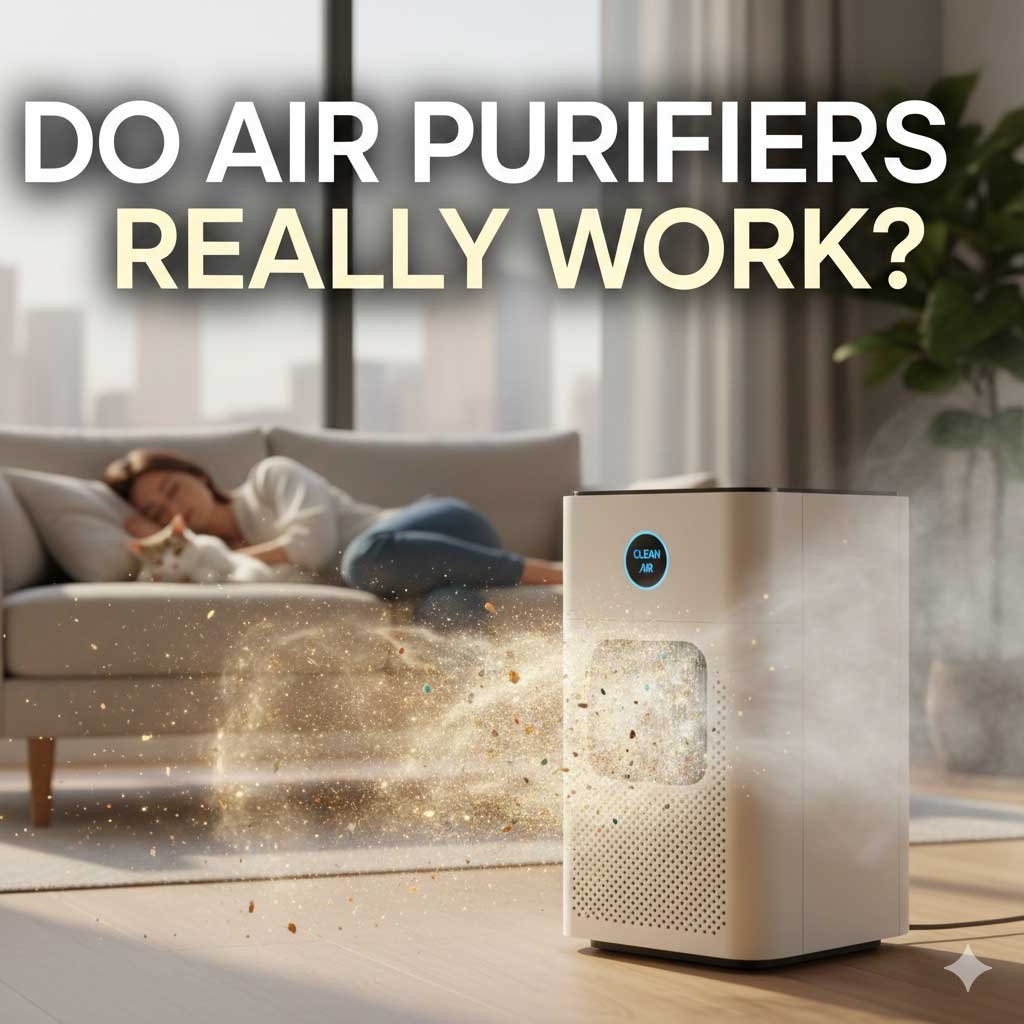
Table of Contents
How Air Purifiers Actually Function
An air purifier is not a magic wand. It is a machine that uses a fan to pull air through a series of filters. These filters trap tiny particles like dust, pollen, and smoke. Then, the machine pushes the cleaned air back into your room.
The secret is in the technology. Most high-quality units use a combination of different filters. This allows them to tackle various pollutants at once.
Types of Filters and What They Do
When you shop for a device, you will see many technical terms. Here is a simple breakdown of what they mean for your air quality.
- HEPA Filters: This is the gold standard. A True HEPA filter captures 99.97% of particles as small as 0.3 microns. This includes things like mold spores, bacteria, and fine dust.
- Activated Carbon: These filters are like sponges for smells. They use porous carbon to soak up gases, odors, and VOCs (Volatile Organic Compounds) from cleaning sprays or cooking.
- Pre-filters: These catch the big stuff like hair and large dust bunnies. They help your expensive HEPA filter last much longer.
- UV Lights: Some units use ultraviolet light to kill germs. While helpful, they work best when paired with a physical filter.
Do Air Purifiers Really Work? The Scientific Evidence
You don’t have to take a salesperson’s word for it. Scientific studies have shown significant benefits. Research suggests that using a HEPA air purifier can reduce indoor particulate matter by 50% to 80%.
1. Relief for Allergy and Asthma Sufferers
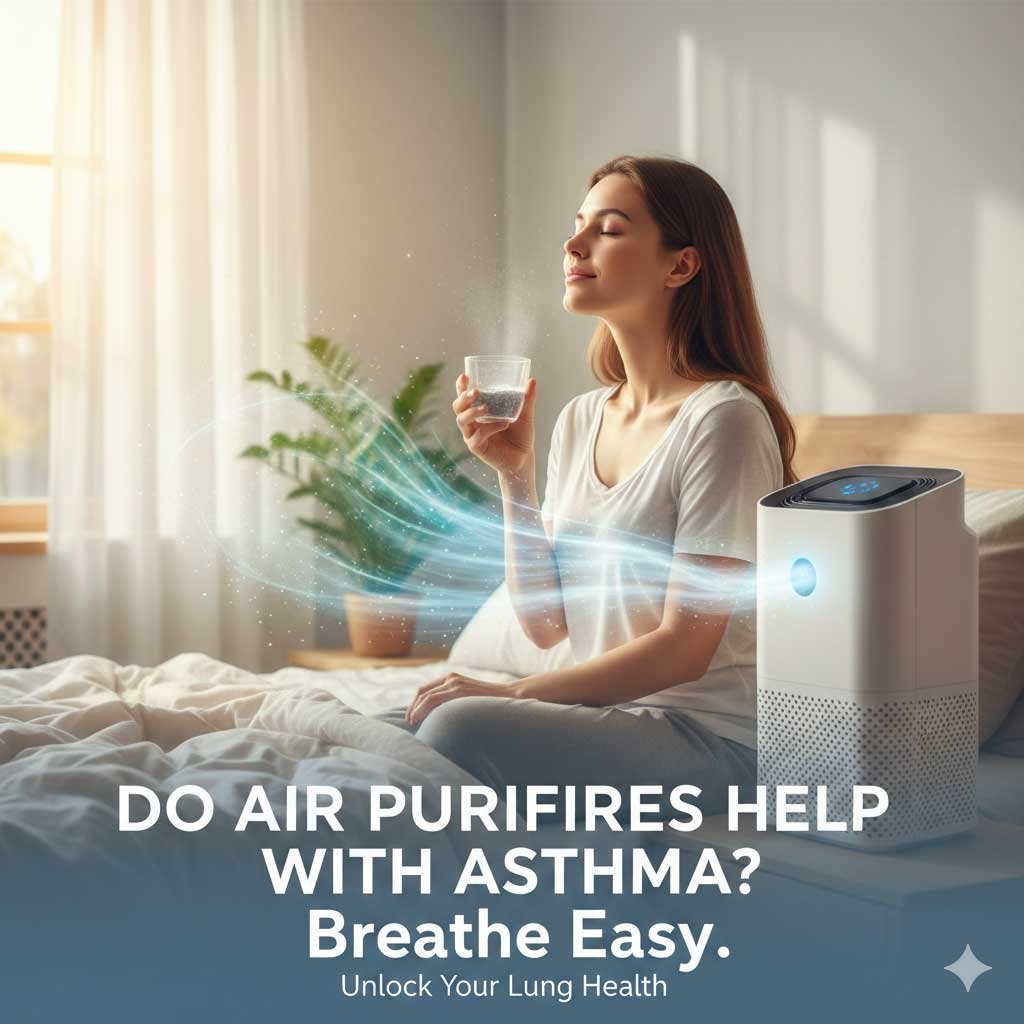
If you have allergies, you know that pollen and dust mites are your enemies. Because air purifiers trap these triggers, many users report fewer symptoms. You might notice you wake up with a clearer nose and better energy levels. For people who struggle with chronic breathing conditions, this detailed guide explains how cleaner indoor air can support better asthma control at home.
2. Removing Pet Dander and Hair
Do you love your cat but hate the sneezing? Pets shed tiny skin flakes called dander. These stay in the air for a long time. A good air purifier pulls these particles out of the air before they reach your lungs.
3. Fighting Wildfire Smoke and Pollution
Living near a busy road or in an area prone to wildfires can be dangerous. Air purifiers are highly effective at removing the fine smoke particles (PM2.5). These are the tiny bits that can enter your bloodstream.
Air Purifier Effectiveness Comparison
To help you understand what these machines can and cannot do, look at the table below:
| Pollutant Type | Filter Needed | Effectiveness Level |
| Dust & Pollen | HEPA Filter | Very High |
| Pet Dander | HEPA Filter | Very High |
| Smoke Particles | HEPA Filter | High |
| Cooking Odors | Activated Carbon | High |
| Chemical Fumes (VOCs) | Activated Carbon | Moderate |
| Viruses & Bacteria | HEPA + UV Light | Moderate |
| Dust Mites on Carpet | None (Requires Vacuum) | Low |
Common Myths vs. Reality
There is a lot of misinformation out there. Let’s set the record straight so you can make a smart purchase.
- Myth: An air purifier means you never have to dust again.
- Reality: They reduce dust in the air. However, they won’t stop it from settling on your bookshelf. You still need to clean your home!
- Myth: You only need to run it for an hour a day.
- Reality: Air pollution is constant. For the best results, you should run your unit 24/7 on a low or “Auto” setting.
- Myth: All filters are the same.
- Reality: “HEPA-type” or “HEPA-like” filters are not the same as True HEPA. Only True HEPA is certified to meet strict efficiency standards.
How to Choose the Right Air Purifer Model for Your Home
Don’t just buy the cheapest one you find. To ensure your device actually works, you need to check two main things: CADR and ACH.
- CADR (Clean Air Delivery Rate): This tells you how fast the unit cleans the air. A higher number is better. You should choose a unit with a CADR that matches your room size.
- ACH (Air Changes per Hour): This is how many times the machine filters all the air in the room in one hour. For allergy relief, look for a rating of at least 4 to 5 ACH.
Maintenance: The Key to Long-Term Success
If you don’t change the filters, your air purifier becomes an expensive paperweight. Clogged filters force the motor to work harder. This stops it from cleaning the air effectively.
- Check Pre-filters: Clean these every 2–4 weeks.
- Replace HEPA Filters: Usually every 6–12 months.
- Replace Carbon Filters: Every 3–6 months for best odor control.
FAQ
Yes, they can help. HEPA filters are capable of trapping tiny droplets that carry viruses. However, an air purifier is an extra layer of protection. It is not a replacement for masks or good ventilation.
Most modern units are very quiet on low settings. Many even have a “Sleep Mode.” This mode is usually quieter than a whisper.
No. Most air purifiers use about the same amount of power as a single light bulb. Look for ENERGY STAR certified models to keep your utility bills low.
Ideally, yes. Running a purifier with windows open is like running an air conditioner with the door open. It will work, but it has to work much harder to keep up.
It can capture airborne mold spores. This prevents them from spreading to other areas. However, it will not kill mold that is already growing on your walls.
It is best to place one in the rooms where you spend the most time. Your bedroom or living room should be the priority.
A unit with a thick Activated Carbon filter can reduce the smell. A standard HEPA filter alone will only catch the smoke particles, not the chemical odor.
Bottom Line
Investing in your health starts with the air you breathe every day. While they aren’t a total cure-all for every household mess, the evidence is clear. If you choose the right size and maintain the filters, you will find that air purifiers really work to create a fresher, safer, and much more comfortable living environment.


Leave a Reply