
Yes! Absolutely. High-quality air purifiers with HEPA filters trap 99.97% of microscopic triggers like pollen, dust mites, and pet dander. By continuously scrubbing your indoor air, they significantly reduce sneezing and congestion, helping you breathe easier and sleep better every single night!
If you suffer from seasonal sniffles or persistent indoor sneezing, you have likely wondered: Do air purifiers help with allergies? Dealing with itchy eyes and a runny nose can make your own home feel like a battlefield. Fortunately, science and technology offer a breath of fresh air.
Indoor air is often more polluted than the air outside. Dust mites, pet dander, and pollen can settle into your carpets and float in your living spaces. This guide explores how these devices work, what to look for, and how they can finally give your immune system the break it deserves.
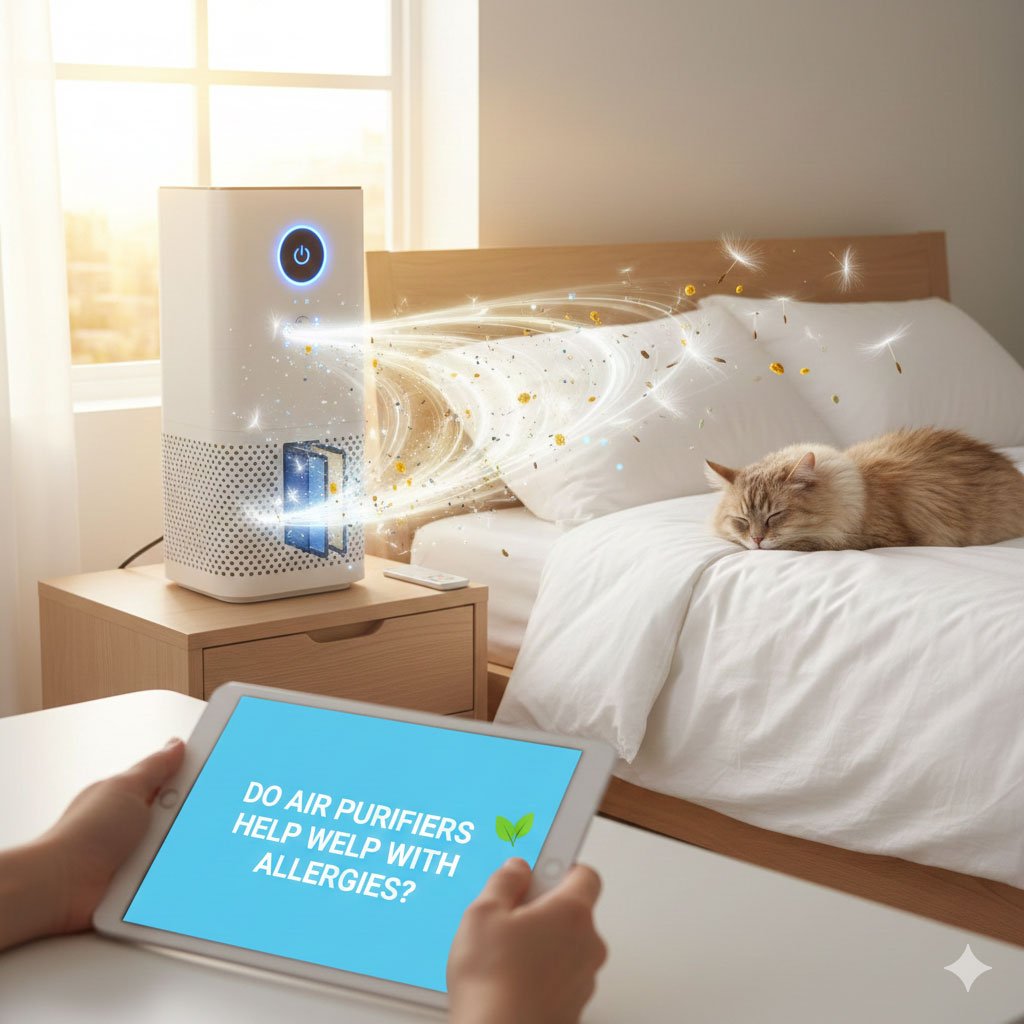
Table of Contents
How Air Purifiers Tackle Allergens
Most air purifiers use a fan to pull in air from your room. This air passes through a series of filters that trap particles. The clean air is then pushed back into the room. For allergy sufferers, the most important part of this process is the HEPA filter.
HEPA stands for High-Efficiency Particulate Air. These filters are designed to capture 99.97% of particles as small as 0.3 microns. To give you an idea of how small that is, a human hair is about 50 to 70 microns wide. By catching these microscopic triggers, the machine keeps them out of your lungs.
Common Allergens Removed:
- Pollen: Tiny grains from trees and grasses that enter through windows.
- Pet Dander: Microscopic flecks of skin shed by cats, dogs, and birds.
- Dust Mites: Tiny organisms that live in house dust and thrive in humid areas.
- Mold Spores: Fungus particles that grow in damp spots like bathrooms.
Select the Right Type of Filter
Not all air purifiers are created equal. Depending on your specific triggers, you might need a different setup. Below is a comparison of the most common filtration technologies available today.
| Filter Type | What It Targets | Best For |
| HEPA Filter | Dust, Pollen, Dander, Mold | General allergy relief |
| Activated Carbon | Odors, Smoke, Gases | Pet smells and chemical sensitivities |
| UV-C Light | Bacteria, Viruses, Germs | Sterilizing the air |
| Ionizers | Suspended Particles | Weighing down dust |
Note: Be careful with ionizers or ozone generators. Some can produce ozone as a byproduct, which may irritate your lungs if you have asthma. Always look for “Ozone-Free” certifications.
Key Features for Allergy Sufferers
When you shop for a device to see if do air purifiers help with allergies, look for these specific technical specs to ensure you get your money’s worth:
- CADR Rating: This stands for Clean Air Delivery Rate. It tells you how fast the unit cleans the air. Look for a higher number for pollen and dust.
- Room Size Coverage: Ensure the device is rated for the square footage of your room. An undersized unit will not be effective in a large master bedroom.
- ACH (Air Changes per Hour): For allergies, you want a unit that can exchange the air in the room at least 4 to 5 times per hour. Many people confuse dry-air relief with allergen removal, but these are two very different solutions that work in completely different ways.
- Smart Sensors: Some modern units detect “spikes” in air pollution and automatically turn the fan up to clean the air faster.
Get Maximum Benefits from Your Air Purifier
An air purifier is a powerful tool, but it works best as part of a team. You should still maintain a clean environment to get the most out of your device.
- Strategic Placement: Keep your purifier in the bedroom. Since you spend 7–9 hours there, it provides the most relief during sleep.
- Keep Windows Closed: During high pollen days, keep windows shut so the purifier isn’t fighting a losing battle against the outdoors.
- Wash Bedding Weekly: Use hot water to kill dust mites. The purifier catches airborne particles, but it can’t reach the ones buried in your sheets.
- Maintain Your Filters: A clogged filter is useless. Check your manual and replace your HEPA filters every 6 to 12 months for peak performance.
FAQ
Yes. These devices are excellent at capturing pet dander. However, you should also vacuum regularly, as dander often sticks to furniture and carpets where the purifier cannot reach.
bsolutely. Leaving it on a low or “sleep” mode ensures that you are breathing clean air throughout the night. This can prevent morning congestion and sneezing.
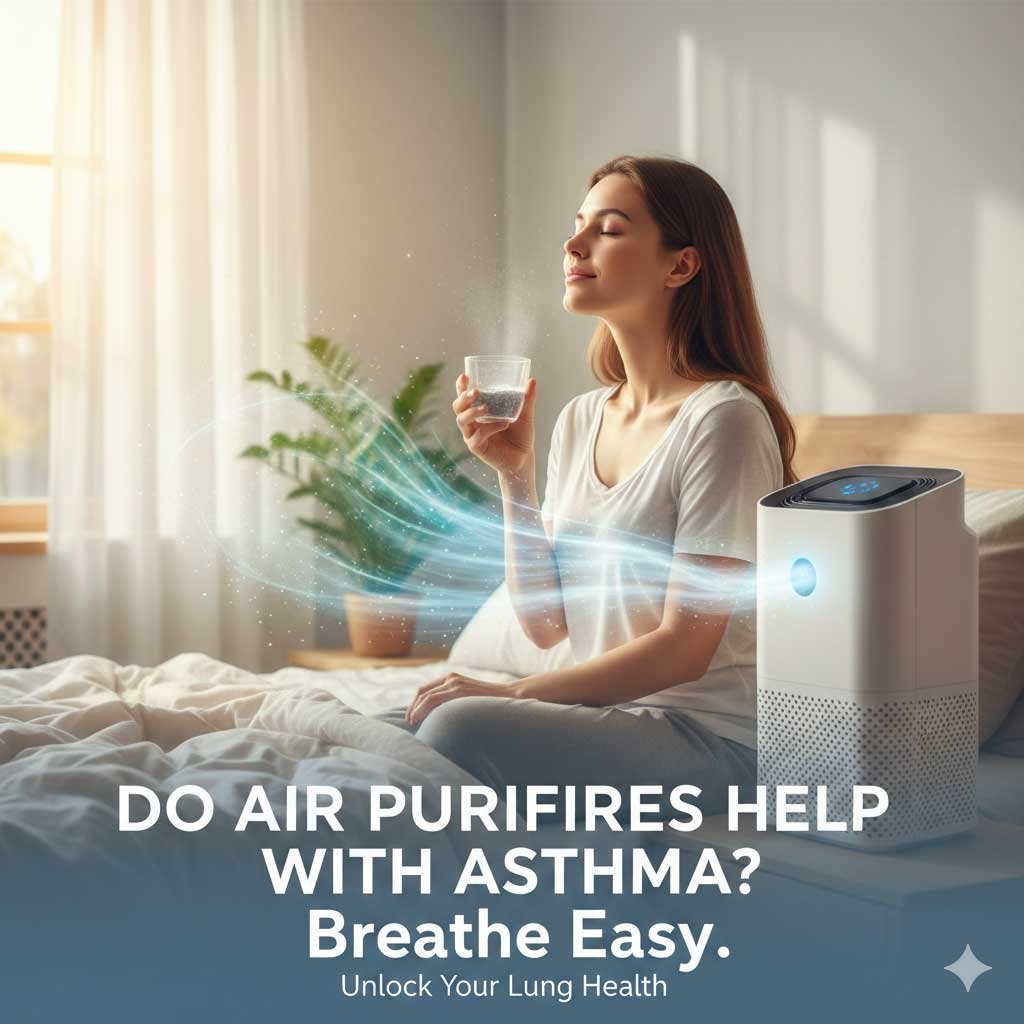
Air purifiers can remove triggers like dust and smoke that cause asthma attacks. While they are not a cure, they often significantly improve the quality of life for those with respiratory issues.
Place it in the room where you spend the most time, usually the bedroom or living room. Ensure it has at least three feet of clear space around it for better airflow.
You should never stop taking prescribed allergy medication without talking to your doctor. An air purifier is a preventative tool that reduces the “load” on your immune system.
Bottom Line
So, do air purifiers help with allergies? The evidence shows they are a vital tool for reducing indoor triggers. While they cannot replace deep cleaning, a high-quality HEPA filter significantly lowers the pollen and dander you breathe. Invest in a reliable unit today and start enjoying a much more comfortable, sneeze-free home environment.


Leave a Reply