
Is the air in your home making you feel less than your best? You might wake up with a scratchy throat. Or maybe you can’t stop sneezing because of dust. When your indoor comfort drops, you often look for a solution. Two popular choices are the air purifier vs. humidifier.
While they both sit on your floor or desk, they do very different jobs. One cleans the air you breathe. The other adds moisture to it. Choosing the wrong one won’t solve your problem. You need to know which device fixes your specific issue. This guide will help you understand every detail of the air purifier vs. humidifier debate so you can breathe easy again.
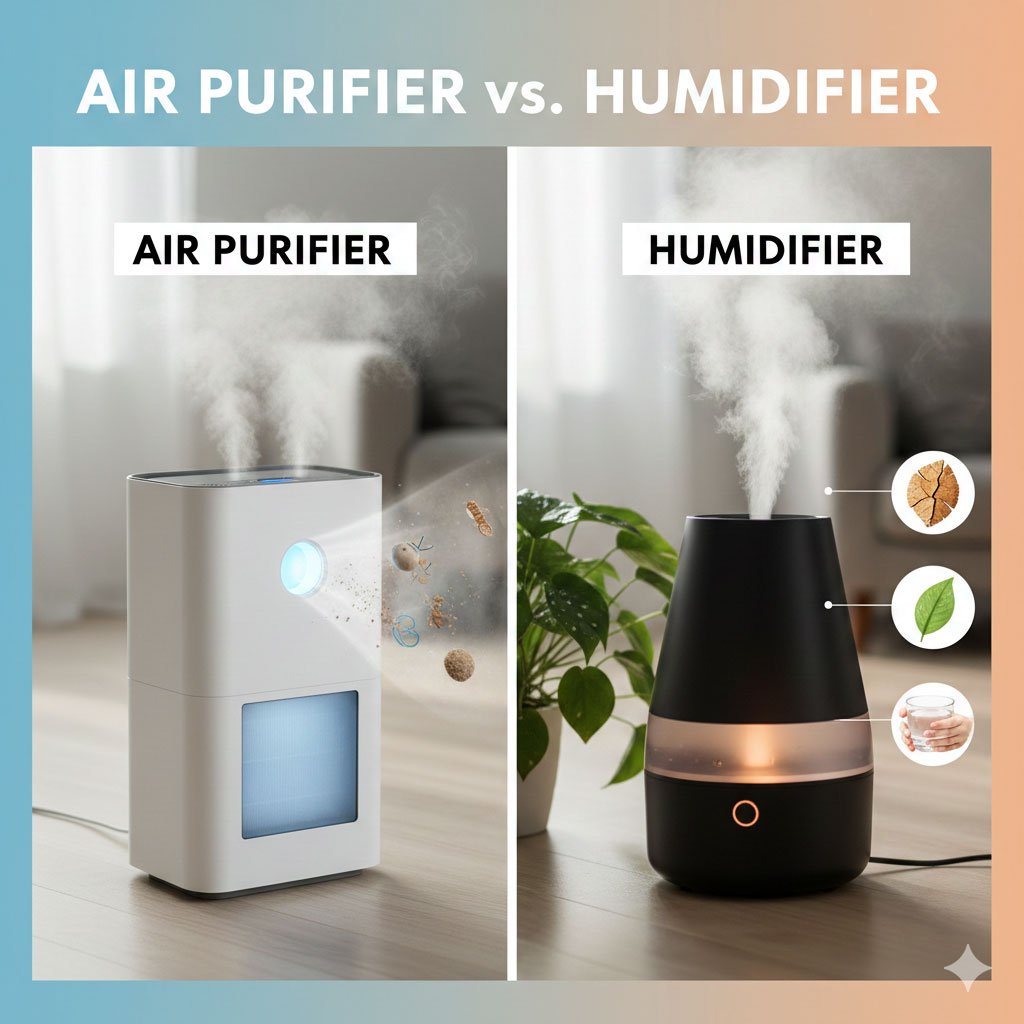
Table of Contents
What Is an Air Purifier?
An air purifier is a device that removes pollutants from the air. It works like a vacuum for the atmosphere in your room. It pulls air in, traps tiny particles in a filter, and pushes clean air back out.
Most high-quality purifiers use HEPA filters. However, filter quality alone doesn’t determine effectiveness—how quickly a unit can clean the air in your room also plays a major role. These are great at catching dust, pollen, and pet dander. If you have a cat or dog, these machines are a lifesaver. They also help if you live near a busy road or in a city with smog.
How It Works
- Suction: A fan pulls indoor air into the unit.
- Filtration: The air passes through several layers. A pre-filter catches hair. A HEPA filter catches germs. A carbon filter removes smells.
- Circulation: Fresh, filtered air fills your room.
What Is a Humidifier?
A humidifier does not clean the air. Instead, it adds moisture to it. In the winter, your heater makes the air very dry. This dry air steals moisture from your skin, lips, and throat.
A humidifier uses a water tank to create a mist. This mist raises the humidity levels in your home. It makes the air feel “softer.” It is perfect for those who live in desert climates or suffer from winter dryness.
How It Works
- Vibration or Heat: The machine uses sound waves or a heating element to turn water into vapor.
- Mist Release: It blows a cool or warm mist into the room.
- Hydration: The air absorbs the water, raising the humidity level.
Air Purifier vs. Humidifier: The Main Differences
It is easy to get confused. To help you choose, look at this simple comparison.
| Feature | Air Purifier | Humidifier |
| Main Goal | Cleans and filters air | Adds moisture to air |
| Best For | Allergies and asthma | Dry skin and congestion |
| Removes Dust? | Yes | No |
| Adds Moisture? | No | Yes |
| Maintenance | Change filters periodically | Clean tank and add water daily |
| Season | Year-round | Mostly winter or dry seasons |
Which One Is Better for Your Health?
Your choice depends on your symptoms. Your body tells you what it needs.
1. For Allergies and Asthma
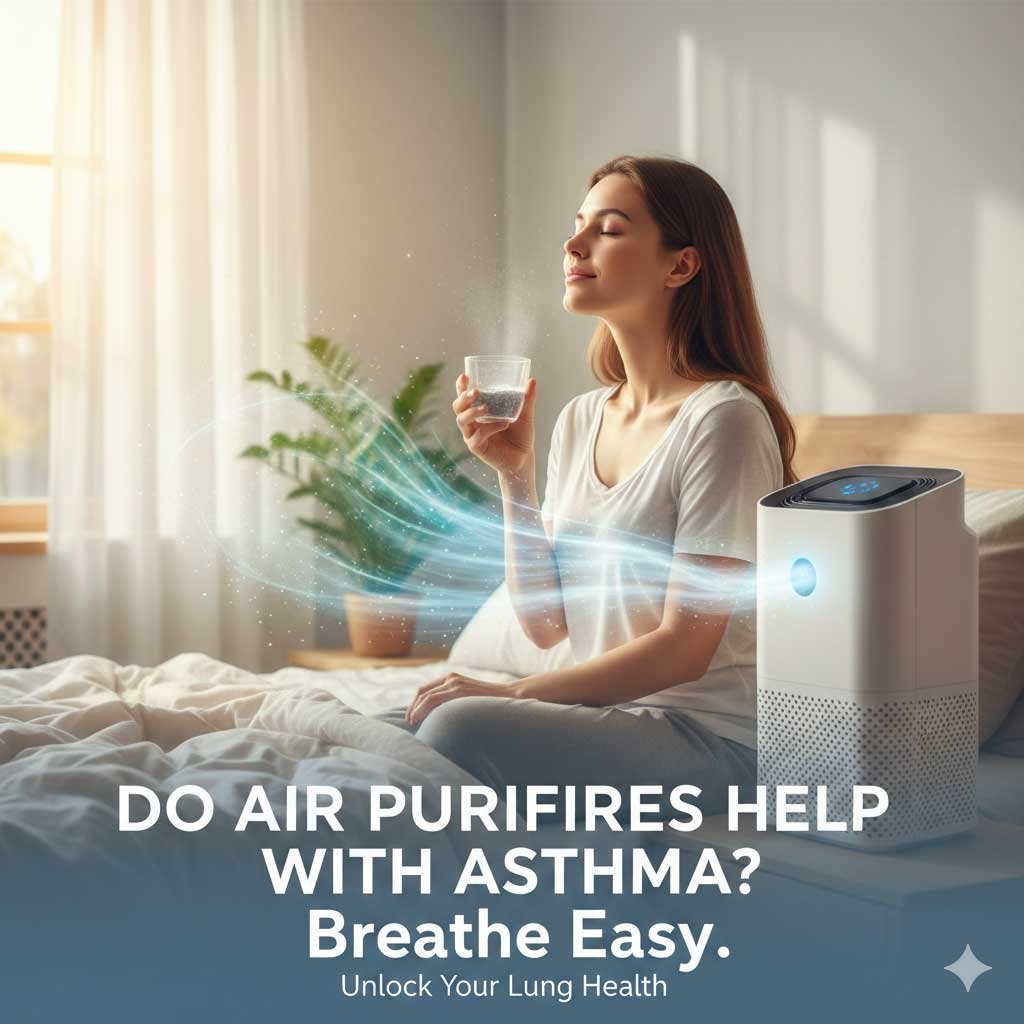
If you frequently sneeze, you may need an air purifier. Allergies are typically triggered by substances such as pollen or mold spores. An air purifier traps these triggers so you don’t breathe them in. It keeps your lungs clear and reduces itchy eyes.
2. For Dry Skin and Chapped Lips
If your skin feels tight or itchy, you need a humidifier. Dry air pulls moisture out of your body. A humidifier puts it back. It can also help prevent painful nosebleeds caused by dry nasal passages.
3. For a Stuffy Nose or Cough
This one is tricky. If your cough is from a cold, a humidifier helps thin the mucus. It soothes a dry throat. However, if your cough is from smoke or dust, an air purifier is the better choice. It removes the irritant that makes you cough in the first place.
Can You Use Both Air Purifier and Humidifier Together?
Yes, you can! In fact, many people do. Running an air purifier and humidifier at the same time gives you the best of both worlds. You get air that is both clean and hydrated.
Tips for using both:
- Keep them apart: Do not place them right next to each other. The moisture from the humidifier can make the air purifier’s filter damp. This might cause mold to grow on the filter.
- Monitor Humidity: Keep your room between 30% and 50% humidity. If it gets too wet, you might invite dust mites or mold.
- Regular Cleaning: Both machines need care. Change your purifier filters every six months. Clean your humidifier tank every few days to keep it germ-free.
Maintenance and Costs
Buying the machine is only the first step. You should think about the long-term work and costs.
Air Purifier Maintenance:
- You must buy replacement filters. These can cost between $30 and $80.
- You don’t have to do much daily work. Just turn it on and let it run.
Humidifier Maintenance:
- You must fill the tank with water every day.
- You need to scrub the tank weekly. If you don’t, it grows bacteria and “pink mold.”
- Distilled water is best to avoid “white dust” from minerals.
FAQ
No, a humidifier does not clean the air. It only adds water vapor. It cannot remove dust, smoke, or pet dander from your room.
Both are helpful. An air purifier protects a baby’s developing lungs from dust. A humidifier helps a baby sleep better if the air is dry or if they have a cold.
Yes. If the air purifier has an activated carbon filter, it can remove odors from cooking, pets, or smoke.
It can if you keep the humidity too high. If your windows start to “sweat,” your humidity is too high. Always keep it below 50%.
Generally, air purifiers use very little power. Some humidifiers that boil water (warm mist) use more energy than cool mist models or air purifiers.
Bottom Line
Choosing between air purifier and humidifier depends on your home environment and your personal health needs. If you want to remove allergens and pollutants for cleaner breathing, go with a purifier. If you need to fix dry skin and sinus issues, a humidifier is your best friend. Both tools are great for improving your daily comfort.


Leave a Reply